


Women Empowerment in Nigeria: From Support to Sustainable Impact
Women empowerment in Nigeria is essential to creating stronger opportunities for women to participate meaningfully across the country’s economy as professionals, entrepreneurs, farmers, creatives, skilled workers, community leaders, and business owners. However, meaningful empowerment goes beyond recognizing these contributions or providing occasional financial assistance. Instead, it involves creating conditions in which women can develop their capabilities, make informed decisions, access opportunities, and participate more fully in economic and social life.
For this reason, women empowerment in Nigeria should not be reduced to grants, donations, or one-off training programmes. Immediate support can certainly be valuable, particularly when it responds to a genuine need. Nevertheless, sustainable empowerment looks beyond the initial intervention and considers what a woman can do afterwards.
There is, therefore, an important difference between helping someone temporarily, giving someone access to an opportunity and equipping that person with the capacity to create and sustain opportunities.
Meaningful empowerment focuses on capabilities, confidence, connections and access. In practice, it enables women to strengthen their skills, expand their choices and participate more effectively in decisions that affect their livelihoods and futures.
What Does Women Empowerment Really Mean?
Women empowerment can be understood as the process of expanding women’s ability to make informed choices, develop useful capabilities and participate meaningfully in economic, professional and social life.
In practical terms, empowerment may include access to:
- Relevant education and skills
- Employment and business opportunities
- Financial knowledge
- Professional and business networks
- Information and technology
- Markets and customers
- Mentorship
- Leadership opportunities
- Decision-making processes
Economic empowerment is an important part of this process. However, it is not the entire picture.
For example, a woman may become more economically empowered through employment, entrepreneurship, freelancing, agriculture, skilled work or professional advancement. At the same time, empowerment can involve stronger decision-making, greater confidence, improved negotiating ability and better access to information.
Empowerment Should Expand Women’s Choices
Importantly, empowerment does not mean that every woman must become an entrepreneur. Likewise, financial independence does not look exactly the same for everyone.
Effective women empowerment programmes should therefore expand choices rather than prescribe a single pathway.
For instance, a young graduate seeking professional employment may require employability skills and industry connections. Meanwhile, a farmer improving agricultural productivity may need technical knowledge and market access. Similarly, an artisan building a customer base may benefit from business development support, while an established business owner may need finance, partnerships or expansion opportunities.
Consequently, meaningful empowerment starts with understanding what different women need, what they aspire to achieve and which opportunities are realistically available to them.
From Support to Sustainable Empowerment
Short-term support and long-term empowerment can complement each other, but they are not necessarily the same thing.
Consider two different interventions.
In the first case, a woman receives a one-time financial grant. The money may help her address an immediate need or provide capital for a business activity. As a result, the intervention can offer useful short-term relief or an important starting point.
In the second case, she receives relevant technical training, financial literacy, mentorship, market information, business guidance and connections to potential customers or employers. In addition, she receives follow-up support as she begins applying what she has learnt.
Both interventions may have value. However, the second approach is more deliberately designed to build long-term capability.
The Journey From Support to Sustainability
A useful way to understand this progression is:
Support → Skills → Confidence → Opportunity → Economic participation → Sustainability
Support provides an entry point or helps remove an immediate barrier.
Skills, in turn, increase a participant’s practical ability to perform productive work.
As competence develops, confidence can grow because the participant has stronger knowledge and practical ability.
Next, opportunity provides a platform for applying those capabilities through employment, business, freelancing, professional work or other productive activity.
Through economic participation, the individual can earn income, gain experience, build professional relationships or strengthen an enterprise.
Finally, sustainability becomes more achievable when progress can continue beyond the original programme or intervention.
Therefore, the key question is not simply, “What assistance was provided?” It is also, “What capacity remains after the assistance ends?”
This broader perspective reflects our development approach, where the focus is not only on delivering activities but also on strengthening people’s capacity to make longer-term progress.
The Role of Skills in Women’s Empowerment
Relevant skills can expand access to employment, enterprise and other economic opportunities. However, skills development works best when training responds to actual interests, abilities and market demand.
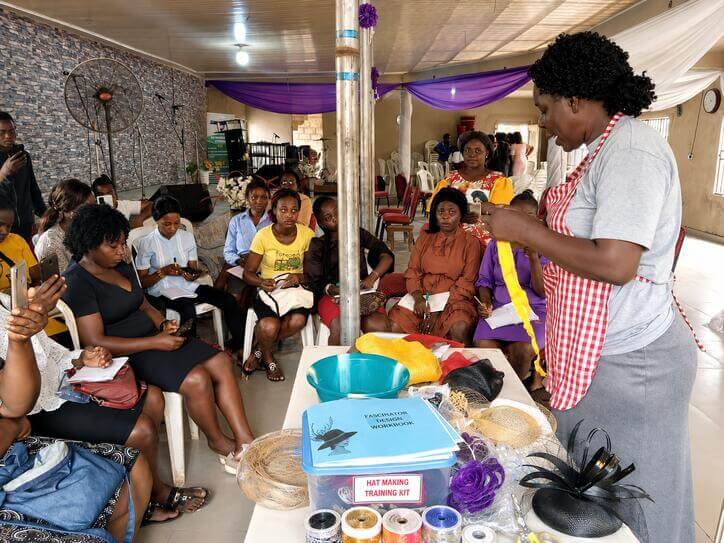
Depending on individual aspirations and available opportunities, skills training for women may include:
- Digital skills and technology
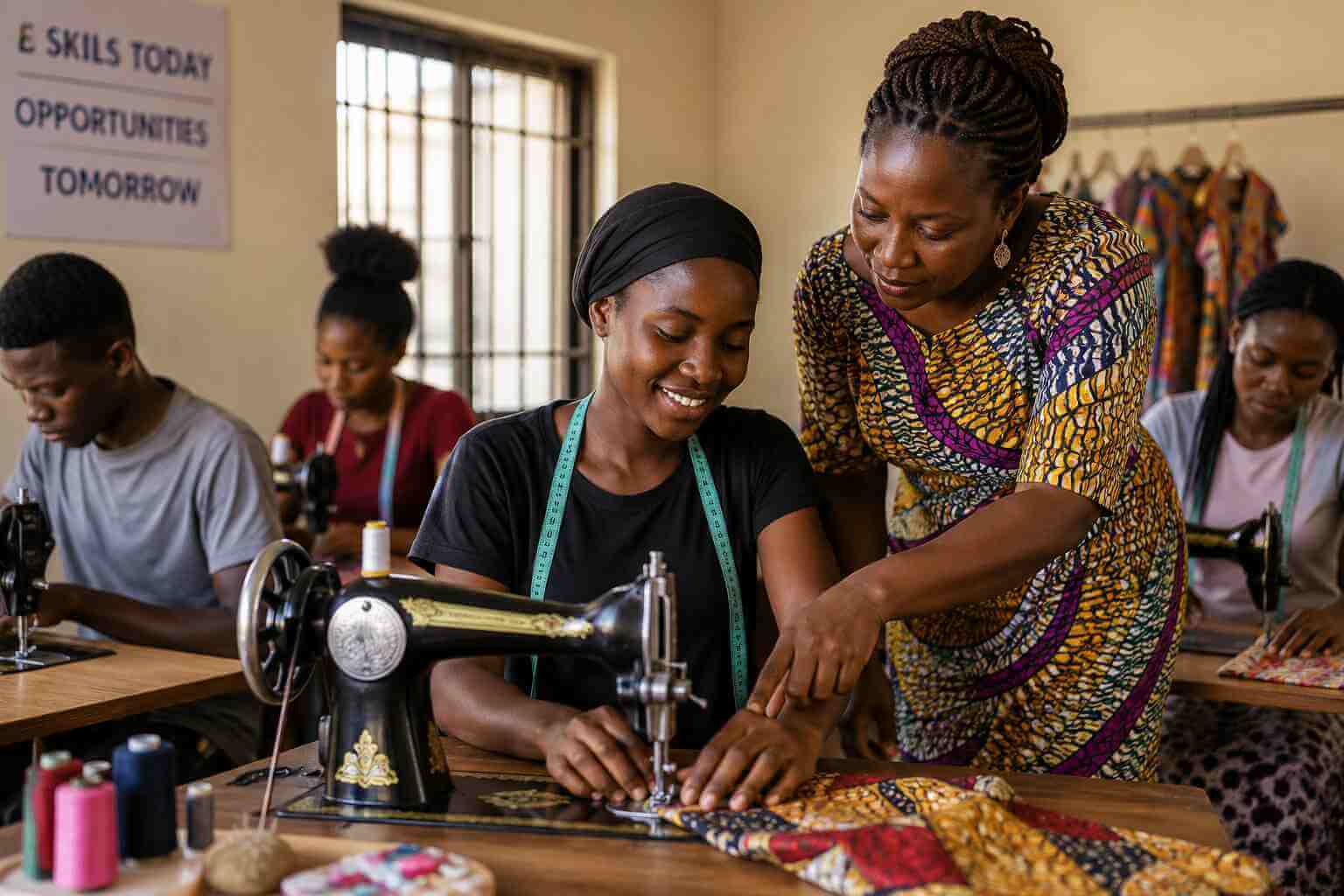
- Fashion and garment production
- Agriculture and agribusiness
- Catering and food processing
- Beauty and personal care
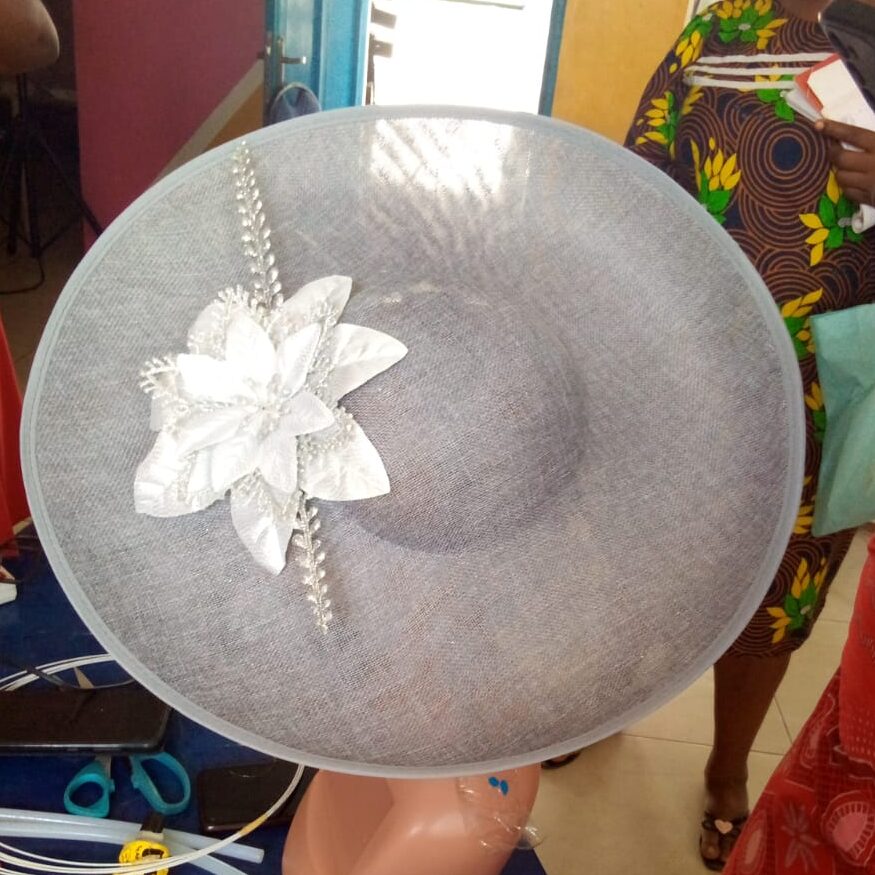
- Creative industries
- Business management
- Financial literacy
- Professional and employability skills
- Technical and vocational trades
Women should not be restricted to occupations traditionally associated with their gender. Instead, training opportunities should reflect individual capabilities, career aspirations and genuine economic opportunities.
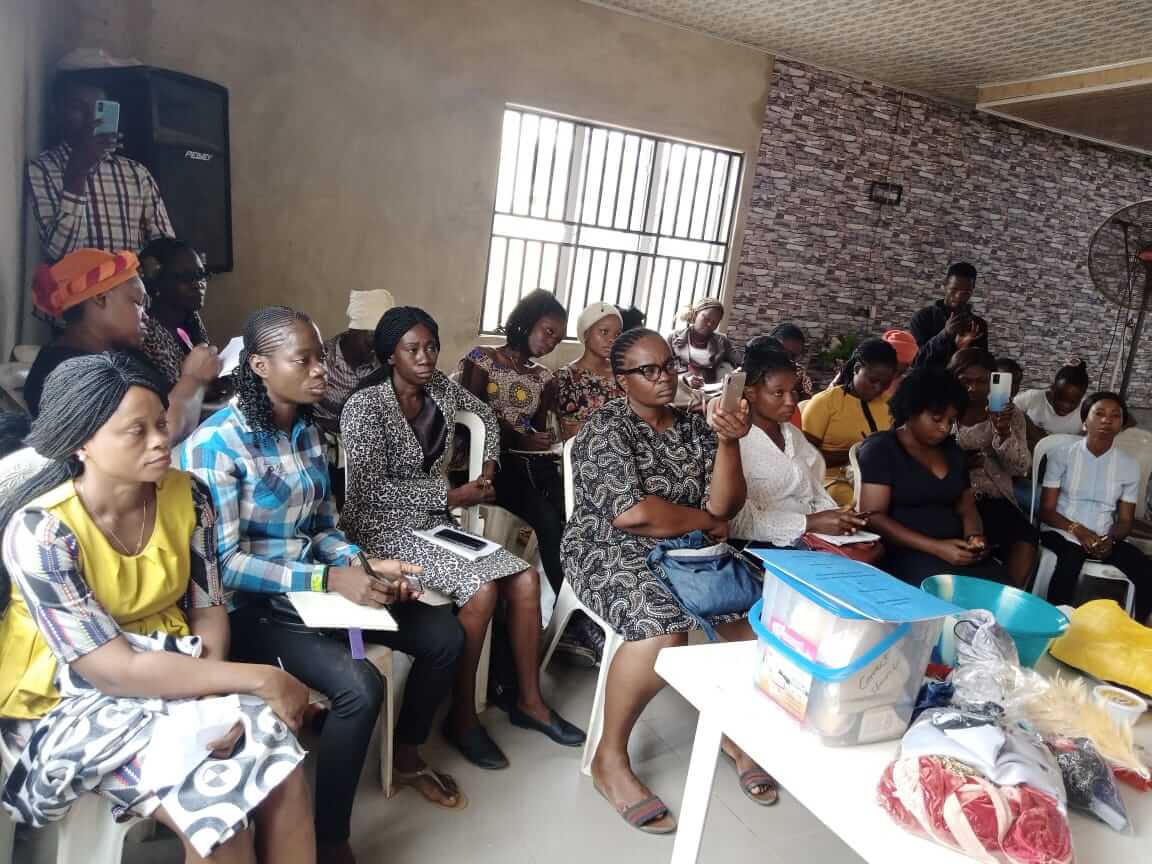
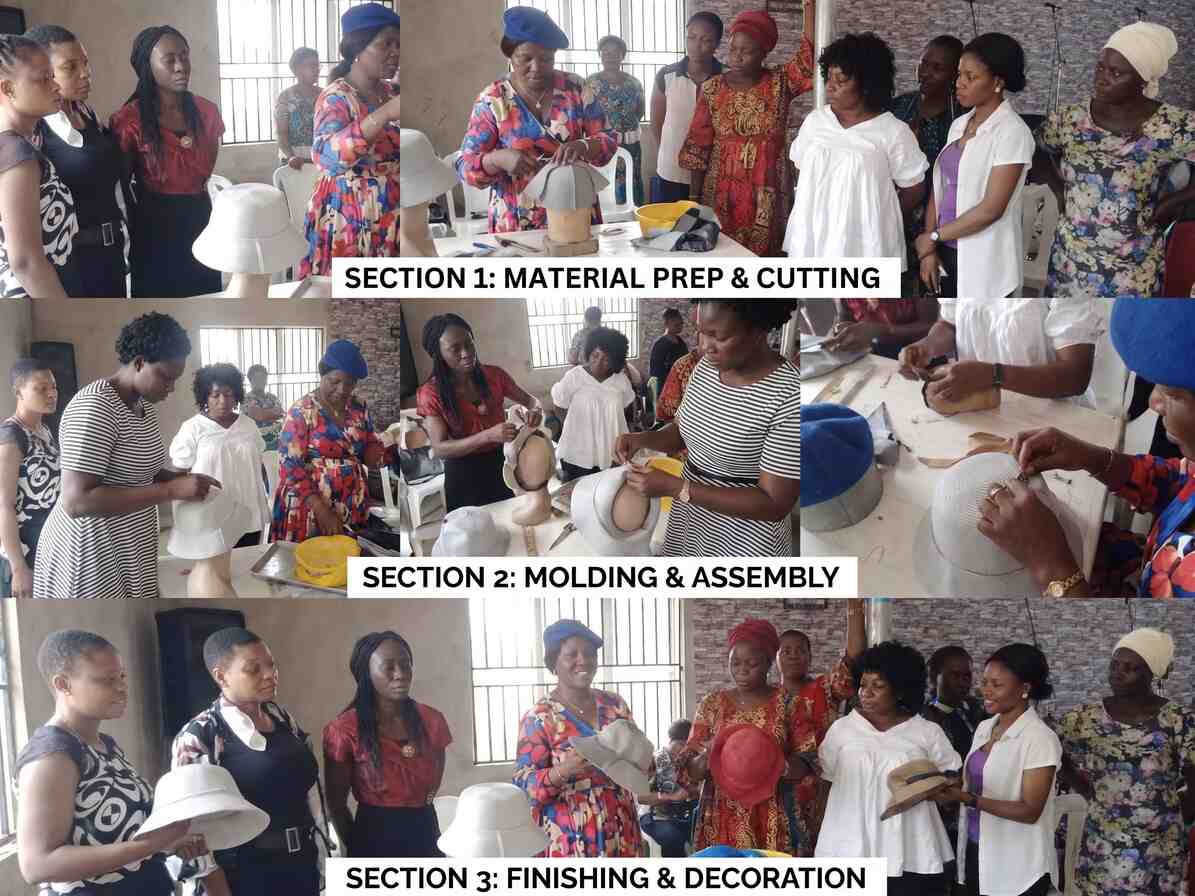
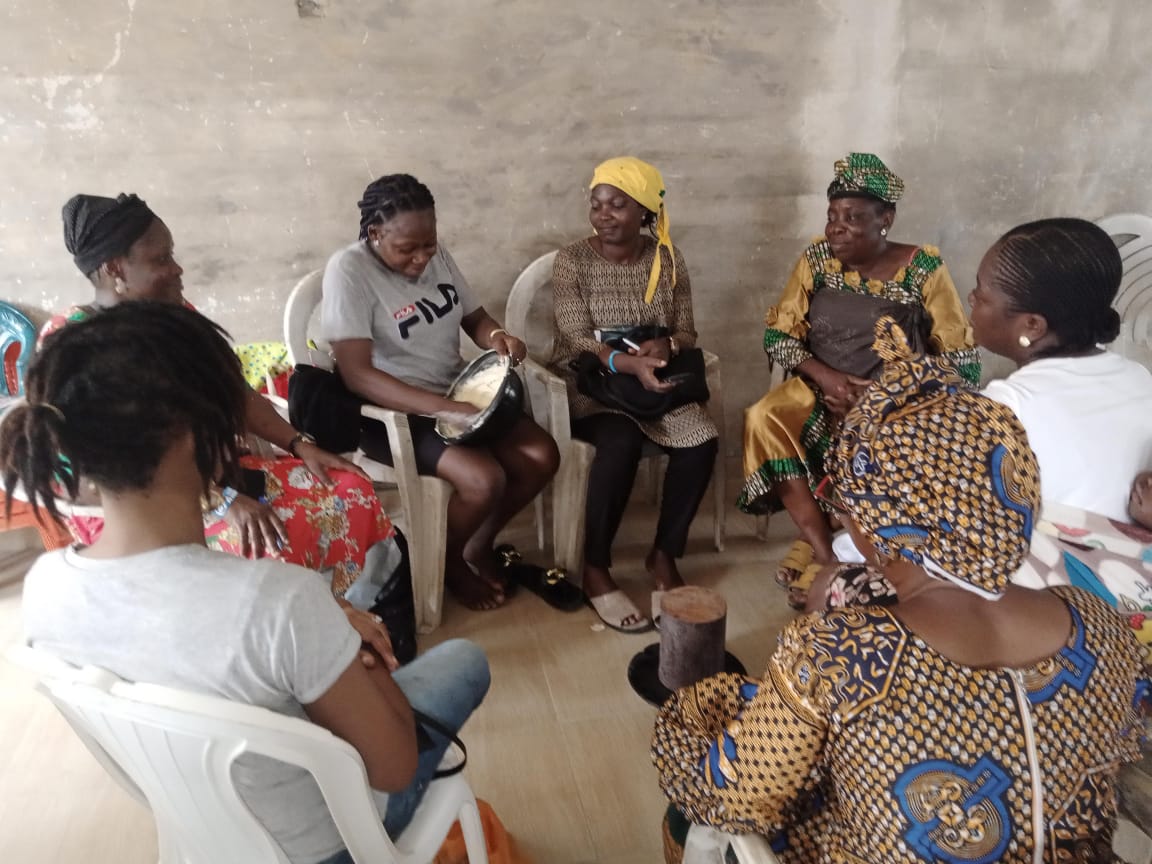
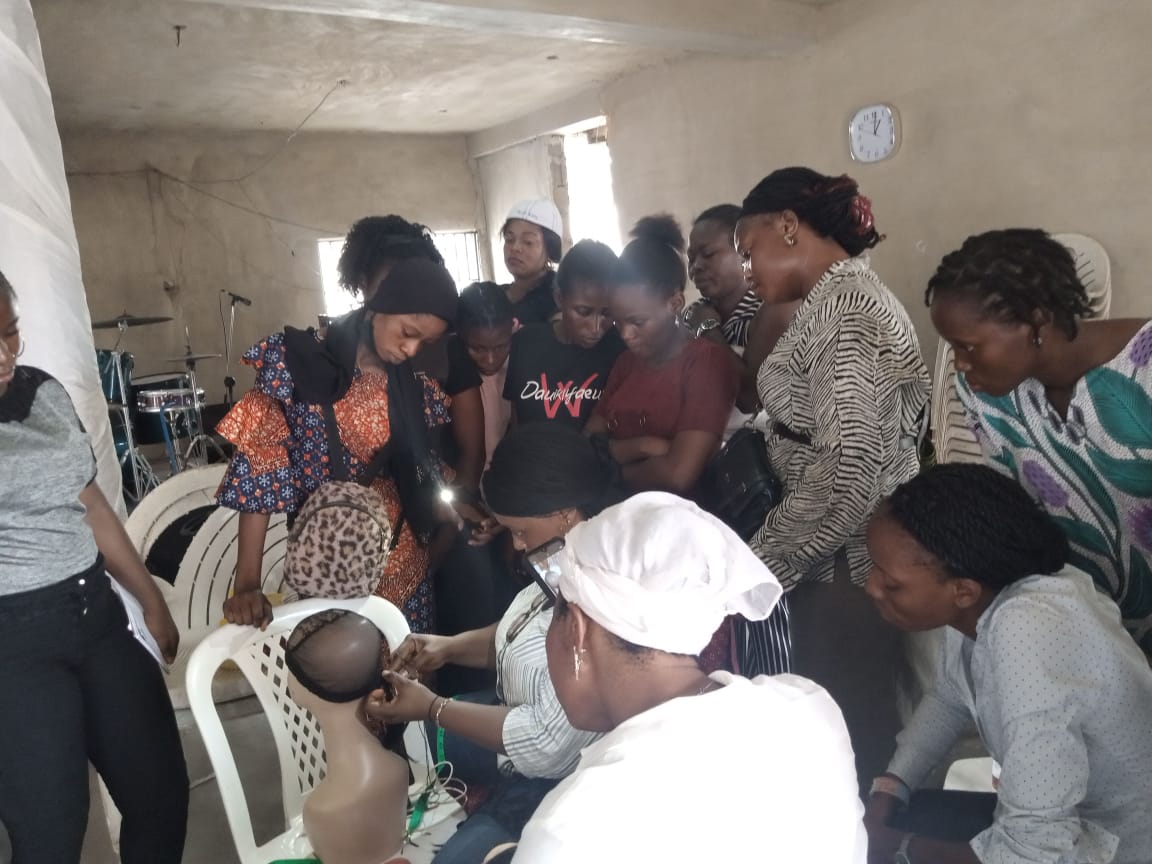
Effective skills acquisition and vocational training should also move beyond classroom participation.
Completing a training programme is an output. By contrast, being able to perform a skill to an acceptable standard, satisfy customers, meet employer expectations or apply that skill productively is a stronger indication of progress.
Therefore, practical training should include opportunities for application, feedback, practice and problem-solving. Where appropriate, participants should also understand how their skills connect to employment, customers, markets or professional opportunities.
Confidence, Agency and Decision-Making
Empowerment is not only about economic resources. People also need the ability to assess situations, make decisions and act purposefully.
In development practice, agency broadly refers to a person’s ability to make informed choices and take meaningful action based on those choices.
Agency may be strengthened through:
- Self-awareness
- Communication
- Problem-solving
- Goal-setting
- Negotiation
- Leadership
- Decision-making
- Personal responsibility
For example, a woman with strong technical skills may still benefit from learning how to price her services, negotiate with customers, communicate professionally or make decisions about business growth.
Nevertheless, confidence should never be presented as a substitute for addressing structural barriers. Simply telling women to “be more confident” does not remove limited market access, financial constraints, workplace barriers or digital access challenges.
Instead, confidence should be viewed as one component of empowerment. Opportunity, access and enabling systems matter as well.
Why Networks and Opportunity Matter
Skills become more valuable when people have opportunities to use them. Therefore, sustainable empowerment must consider what happens between learning a skill and applying it productively.
A trained professional, for example, may need access to employers. A new entrepreneur requires customers and suppliers, while a freelancer needs clients. Similarly, a farmer may benefit from stronger links to markets, processors or buyers.
For this reason, professional and business networks can play an important role.
Such networks may provide:
- Information
- Referrals
- Mentorship
- Industry knowledge
- Market access
- Partnerships
- Internship opportunities
- Employment leads
- Peer learning
- Business collaboration
Networking, however, should not be understood simply as knowing influential people. At its best, networking involves building productive and mutually beneficial professional relationships.
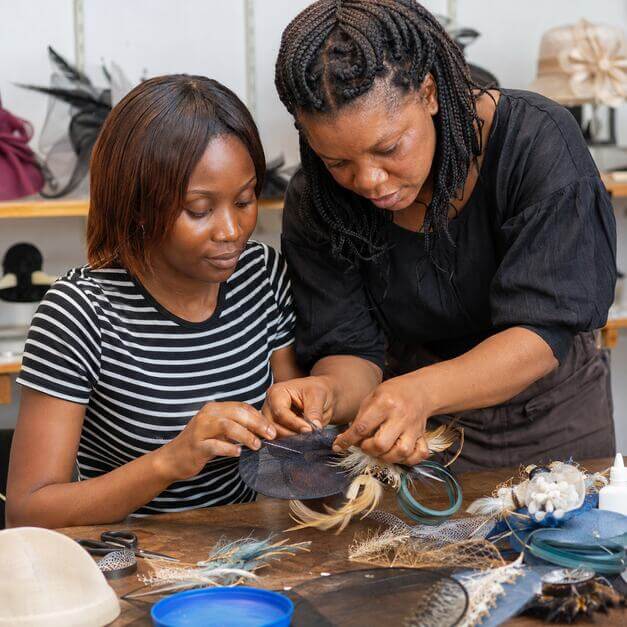
Mentorship can also strengthen this process. For instance, an experienced mentor may help a participant assess opportunities, learn from feedback, avoid preventable mistakes and understand professional or business environments more effectively.
Consequently, skills and networks often work best together: one develops capability, while the other can help create pathways for that capability to be applied.
Barriers to Women’s Empowerment in Nigeria
Women across Nigeria have different experiences, circumstances and aspirations. Therefore, women empowerment initiatives should avoid treating women as one uniform group.
A university graduate in Lagos, a smallholder farmer in a rural community, a skilled artisan in Ibadan and a technology professional in Abuja may face very different opportunities and constraints.
Depending on individual circumstances, access to opportunity may be affected by:
- Limited access to affordable finance
- Skills gaps
- Limited market access
- Digital access gaps
- Care responsibilities and time constraints
- Limited professional networks
- Workplace barriers
- Geographic limitations
- Limited access to relevant information
- Social expectations
- Unequal access to some economic opportunities
These factors do not suggest a lack of ability among women. Rather, they describe economic, institutional, social and access-related conditions that may influence participation.
Moreover, the significance of each barrier will vary between individuals and communities. A challenge that is important in one location may be less significant in another.
Effective programmes should therefore assess the circumstances of their intended participants before choosing interventions. As a result, resources can be directed towards barriers that actually affect people’s ability to progress.
Women Empowerment and Economic Independence
Women’s economic empowerment involves much more than receiving income. Instead, it can include the ability to earn sustainably, understand financial decisions, build assets, manage economic risks and plan for the future.
Possible pathways include:
- Formal employment
- Entrepreneurship
- Freelancing
- Skilled trades
- Agribusiness
- Professional careers
- Creative industries
- Cooperatives
- Small and medium-sized enterprises
Through well-designed economic empowerment initiatives, participants can strengthen their capacity to generate income and participate more effectively in economic activity.
Financial literacy is particularly important. For example, understanding how to budget, separate personal and business finances, calculate costs, assess profit, manage debt and plan savings can improve financial decision-making.
Furthermore, entrepreneurs may need business management capabilities, while employees may benefit from career planning and professional development. Freelancers, on the other hand, may require skills in pricing, client management and personal finance.
However, earning an income does not automatically remove every form of vulnerability. Sustainable empowerment therefore combines income generation with knowledge, opportunity, financial capability, decision-making and resilience.
Women Empowerment, Dignity and Self-Reliance
Economic outcomes matter, but empowerment also has an important human dimension.
Women have inherent dignity regardless of their economic contribution. Therefore, empowerment should not be justified only by what women can contribute to households, organisations or national development.
Instead, empowerment should expand women’s ability to pursue meaningful goals and participate in decisions affecting their lives.
Sustainable empowerment can strengthen:
- Choice
- Confidence
- Purpose
- Participation
- Independence
- Resilience
- Self-reliance
Self-reliance does not mean that people must never receive assistance. Rather, it involves strengthening the ability to use available resources, knowledge, skills and relationships to make progress and respond to challenges.
In this sense, support and self-reliance are not opposites. Appropriate support can, in fact, help create the conditions for greater independence when it is designed to strengthen long-term capability.
What Does a Meaningful Women Empowerment Programme Look Like?
A strong programme should begin with genuine needs rather than assumptions. Furthermore, programme design should consider what participants hope to achieve and which barriers affect their ability to reach those goals.
Organisations designing women empowerment programmes in Nigeria should ask:
- Does the programme address a genuine need?
- Are participants’ aspirations understood?
- Are the skills connected to actual economic opportunities?
- Is the training practical and applicable?
- Can participants demonstrate what they have learnt?
- Is relevant mentorship available?
- Are participants connected to employers, customers or markets?
- Does follow-up continue after training?
- Can participants access support while applying their skills?
- Are meaningful outcomes measured?
- Does the programme encourage greater independence?
- Are participants treated with dignity and respect?
- Does the programme recognise differences in education, location, age and economic circumstances?
Together, these questions shift attention from simply completing activities to creating measurable value.
A programme should therefore not be judged only by the number of people who attended. More importantly, organisations should examine what participants were subsequently able to learn, apply, access or improve.
Measuring Sustainable Impact
Monitoring helps organisations determine whether women empowerment initiatives are producing meaningful outcomes.
For example, useful indicators may include:
- Skills acquired
- Skills successfully applied
- Employment secured
- Businesses started
- Businesses sustained
- Changes in income or economic participation
- Improved market access
- Professional opportunities accessed
- Increased financial capability
- Leadership participation
- Continued engagement after programme completion
Most importantly, organisations should distinguish between outputs and outcomes.
An output describes what a programme delivered.
Example output: 100 women completed a vocational training programme.
An outcome, by contrast, describes what changed as a result of that programme.
Example outcome: Participants subsequently applied their skills through employment, business activity, freelancing or another form of productive economic participation.
Both measurements are useful. Nevertheless, outcomes provide stronger evidence of whether an intervention has contributed to meaningful and sustainable empowerment.
Therefore, organisations should not stop measurement when training ends. Where practical, follow-up can provide a clearer picture of how participants are applying what they learnt and which additional barriers remain.
A Practical Pathway to Sustainable Women Empowerment
A useful framework for designing women empowerment initiatives is:
Identify → Equip → Mentor → Connect → Support → Measure
Identify
First, understand participants’ existing capabilities, aspirations, circumstances and barriers before designing the intervention.
Equip
Next, provide practical knowledge and market-relevant skills that participants can realistically apply.
Mentor
After training, offer relevant guidance, feedback and accountability as participants begin putting their knowledge into practice.
Connect
In addition, link participants to employers, customers, markets, professional communities, industry networks and other appropriate opportunities.
Support
As participants progress, provide suitable follow-up and problem-solving assistance when challenges arise.
Measure
Finally, track meaningful outcomes, learn from the evidence and use those lessons to improve future programmes.
Together, these stages can transform empowerment from a one-time intervention into a longer-term development process.
Building Sustainable Women Empowerment in Nigeria
The future of women empowerment in Nigeria depends on moving beyond interventions that measure success primarily by what was distributed, how many people attended or how many training certificates were issued.
Those activities may still have value. However, the more important question is what becomes possible afterwards.
For example, organisations can examine whether participants are successfully applying the skills they acquired and gaining access to employers, customers or markets. They can also assess improvements in financial decision-making, professional networks and the ability to respond to economic challenges. Equally important is whether participants now have broader choices and greater access to meaningful opportunities.
Sustainable empowerment brings these different dimensions together.
Skills without opportunities may remain unused. Similarly, finance without knowledge can have limited impact, while training without follow-up may fail to translate into economic participation. Confidence is valuable too; however, confidence alone cannot remove structural barriers to opportunity.
Meaningful empowerment therefore requires an integrated approach that combines skills, agency, mentorship, networks, economic opportunity and appropriate support.
Across Nigeria, women already participate in business, agriculture, technology, professional services, creative industries, skilled trades and community development. Consequently, effective empowerment initiatives should build on this existing capability rather than treating women simply as recipients of assistance.
Ultimately, the goal is not merely to provide temporary support. It is to help create conditions in which more women can make informed choices, develop productive capabilities, access meaningful opportunities and pursue sustainable progress with dignity.