










Youth Empowerment Nigeria: What It Means and Why It Matters
Young people are central to Nigeria’s economic, social and community development. They are building businesses, learning new technologies, entering professional careers, working in creative industries, developing solutions to local problems and contributing to communities across the country.
Yet the phrase youth empowerment in Nigeria is often used so broadly that almost any intervention aimed at young people can be described as empowerment. A one-day seminar may be called an empowerment programme. So can the distribution of equipment, financial assistance, food items or business grants.
These interventions may be useful in the right circumstances, but assistance is not automatically empowerment.
Meaningful youth empowerment is a longer-term process. It helps young people acquire the skills, knowledge, confidence, networks, resources and opportunities they need to make productive decisions, earn sustainable livelihoods and participate effectively in society.
The important question, therefore, is not simply whether young people received something. It is whether they became more capable of creating value, accessing opportunities and building sustainable futures as a result.
What Does Youth Empowerment Really Mean?
Youth empowerment is the process of helping young people develop the capabilities, resources, confidence and access to opportunities required to improve their economic and social independence.
It goes beyond temporary support.
Giving a young person money may solve an immediate financial problem. Providing equipment may give someone a useful tool. A motivational event may increase confidence temporarily. A training programme may introduce a new skill.
However, none of these automatically creates lasting empowerment.
It is useful to distinguish four related ideas:
-
Assistance responds to an immediate need.
-
Training develops specific knowledge or skills.
-
Development strengthens a person’s broader abilities over time.
-
Empowerment combines capability with the resources, confidence, connections and opportunities needed to put those abilities into productive use.
For example, teaching someone graphic design is skills training. Helping the person build a portfolio, understand client requirements, improve communication, receive mentorship and connect with paying clients creates a more complete empowerment pathway.
Strong youth empowerment programmes therefore consider both what participants learn and what they are able to do afterwards.
Why Youth Empowerment Matters in Nigeria
Youth empowerment matters because economic participation depends on more than formal education. Young people need opportunities to translate knowledge and potential into productive work.
Effective youth development in Nigeria can contribute to several areas.
Employment and employability
Young people who develop practical, professional and interpersonal skills are better positioned to compete for employment opportunities.
Employability includes more than obtaining certificates. Employers also value communication, reliability, problem-solving, teamwork, adaptability and the ability to apply knowledge in real situations.
Entrepreneurship and enterprise development
Some young Nigerians will create businesses rather than follow conventional employment pathways. Entrepreneurship development can help them identify viable opportunities, understand customers, manage finances and build enterprises that respond to genuine market needs.
Innovation and economic participation
Young people are active participants in technology, agriculture, creative industries, professional services, commerce and many other sectors.
Empowerment can help them move from consuming economic opportunities to actively creating value within those sectors.
Leadership and community development
Young people also contribute as volunteers, organisers, professionals, community advocates and leaders.
Leadership development can strengthen their ability to take responsibility, solve problems, work with others and contribute to decisions affecting their communities.
Meaningful empowerment therefore benefits both the individual and the wider society.
The Role of Skills in Youth Empowerment
Skills are one of the foundations of effective youth empowerment.
However, training is most valuable when the skills being taught are relevant to real economic or social opportunities.
Depending on a participant’s goals and circumstances, useful areas of youth skills acquisition may include:
-
Digital and technology skills
-
Vocational and technical skills
-
Creative skills
-
Business and entrepreneurship skills
-
Financial literacy
-
Marketing and sales
-
Communication
-
Customer service
-
Problem-solving
-
Project management
-
Professional workplace skills
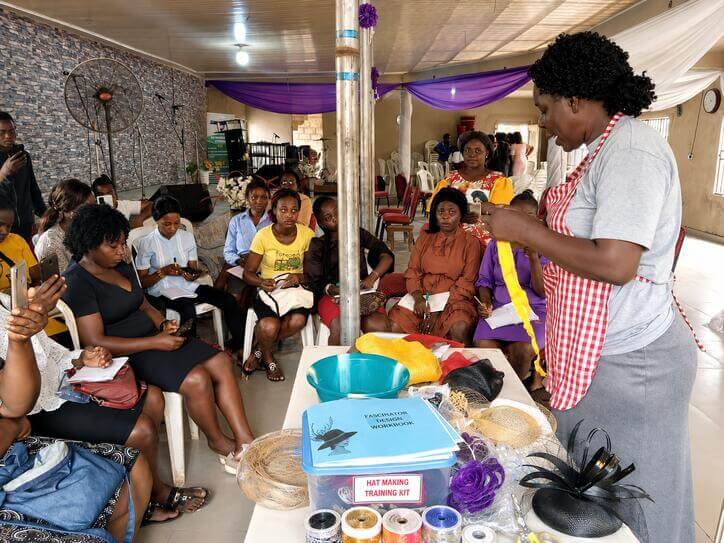
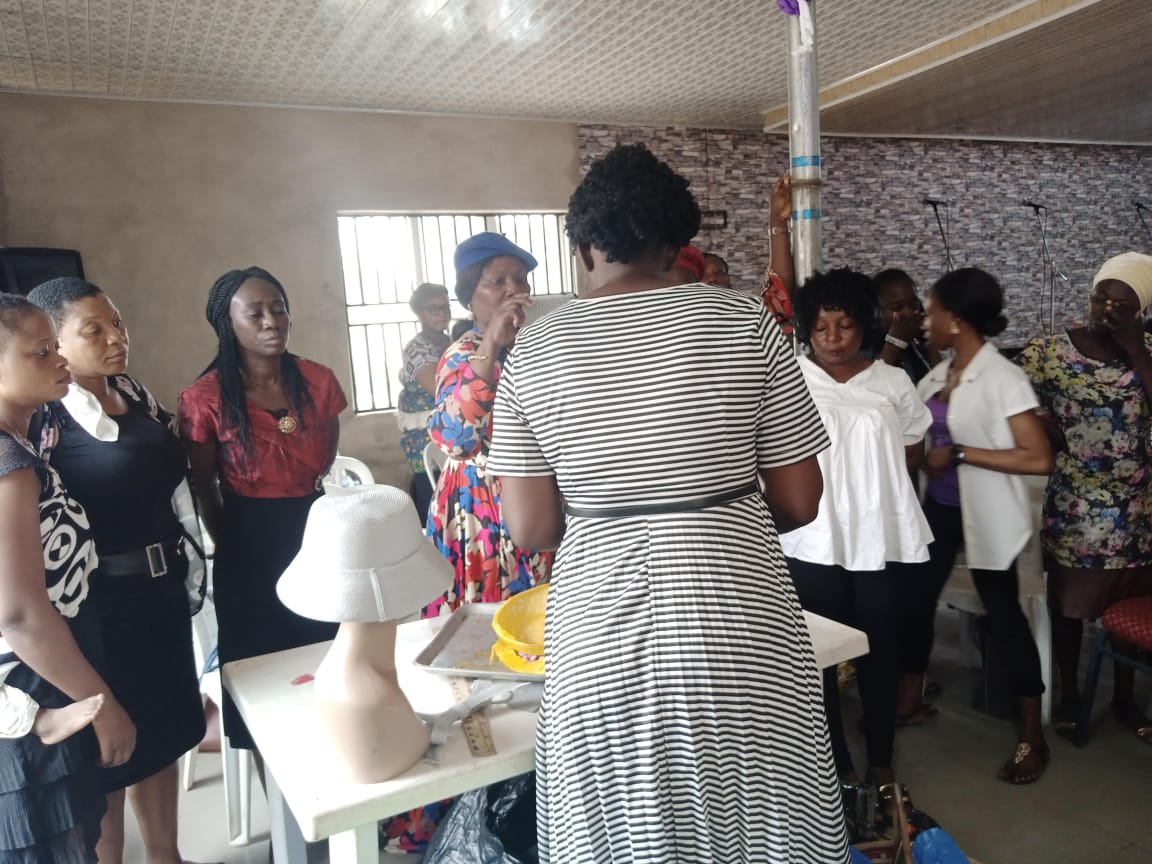
Vocational training may prepare someone for practical work such as fashion production, electrical installation, catering, hairdressing, repairs, construction or other skilled occupations.
Digital skills may open pathways into areas such as data analysis, digital marketing, web development, design, content production and technology-enabled services.
What matters is not simply whether a participant completes a course.
A stronger question is:
Can the participant use the skill to solve a real problem, perform a job, provide a service or create economic value?
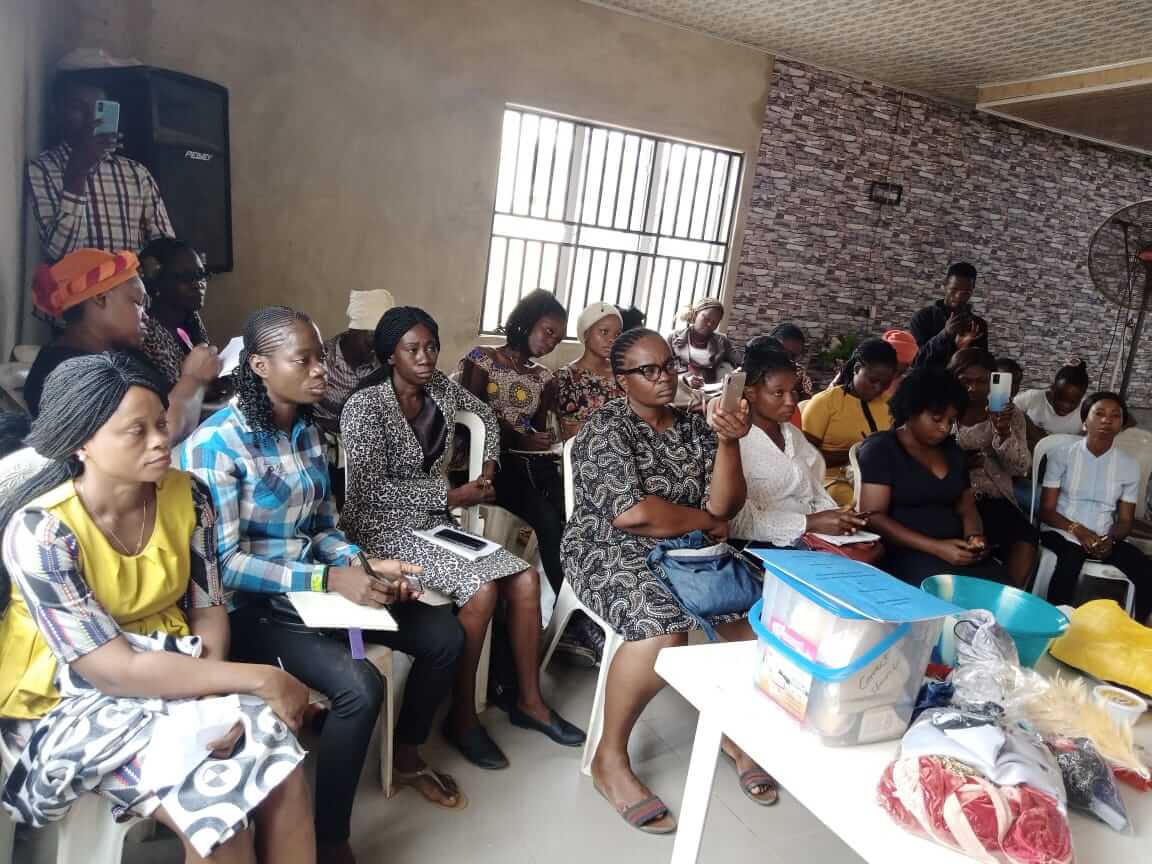
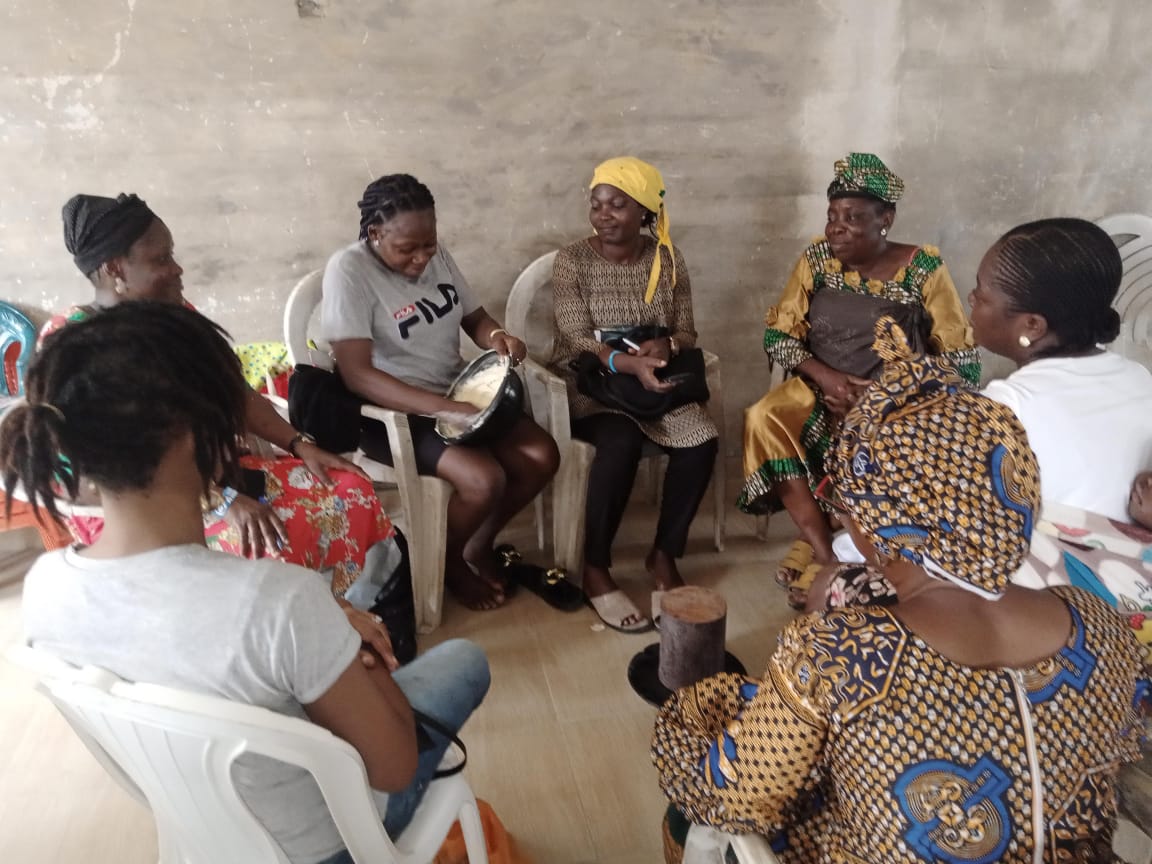
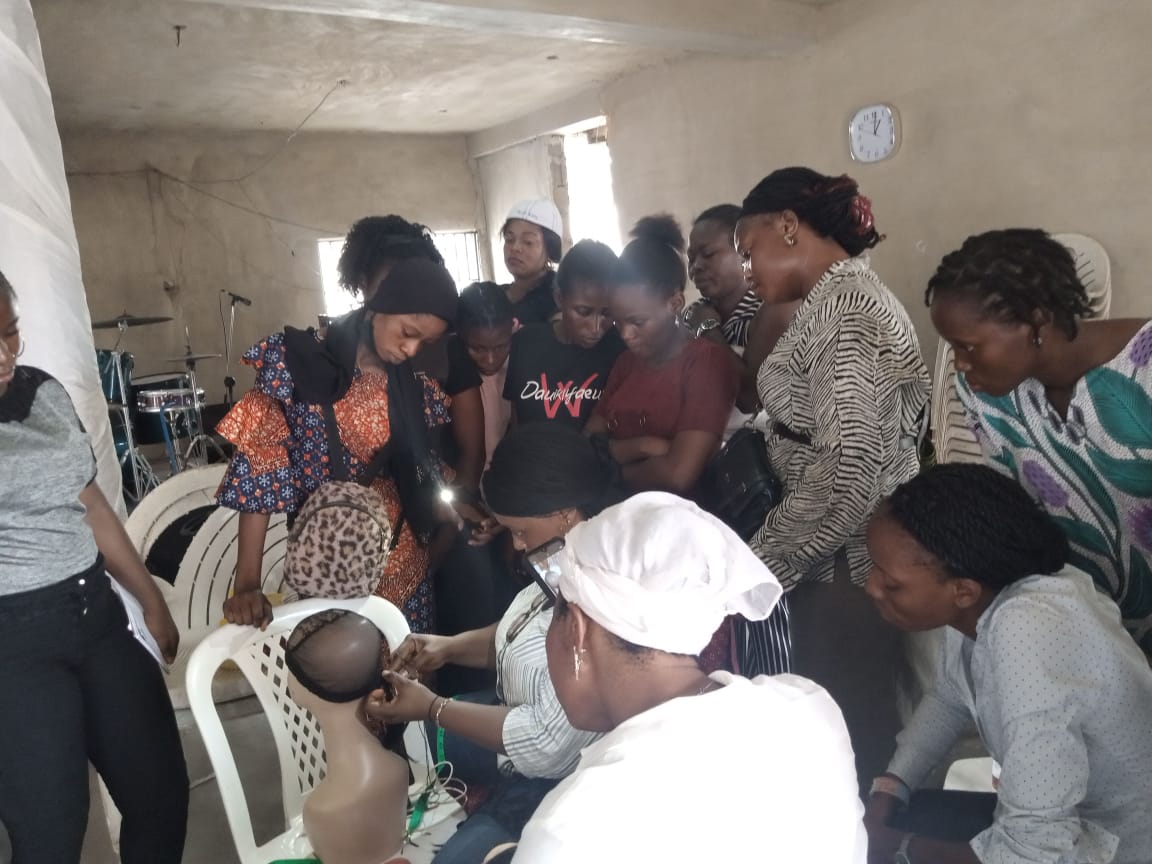
That is why effective skills acquisition and vocational training should include practical exercises, projects, demonstrations and opportunities to apply what has been learned.
Skills should become usable capabilities rather than knowledge that remains in a notebook or training certificate.
Why Mentorship Matters
Training answers an important question: What do I need to know?
Mentorship addresses another: How do I apply what I know effectively?
Young people entering unfamiliar industries or careers may face decisions that cannot always be addressed in a classroom.
They may need guidance on how to build a portfolio, approach employers, price a service, handle a difficult client, choose between career options or recover from an early business mistake.
An effective mentor can provide:
-
Guidance
-
Accountability
-
Industry insight
-
Career direction
-
Constructive feedback
-
Confidence
-
Professional networks
-
Practical experience
-
Exposure to opportunities
Mentorship is therefore different from simply giving advice.
Good mentorship is usually built on an ongoing relationship in which a more experienced person helps the mentee think through decisions, evaluate progress and learn from practical experience.
Programmes focused on talent discovery and mentorship can be especially valuable when they help participants recognise their strengths and connect those strengths with realistic pathways.
From Skills to Opportunity
Skills without opportunity can remain underutilised.
A young person may complete an excellent training programme and still struggle to make progress if there is no bridge between learning and application.
This is why youth empowerment programmes in Nigeria should consider what happens after training.
Useful opportunity pathways may include:
-
Internships
-
Employment placements
-
Apprenticeships
-
Entrepreneurship support
-
Access to markets
-
Professional networks
-
Business competitions
-
Funding opportunities where appropriate
-
Client referrals
-
Industry exposure
-
Career communities
-
Further professional development
Consider two people who complete the same digital marketing course.
One receives a certificate and leaves.
The other receives portfolio support, works on a practical campaign, meets an industry mentor, completes an internship and is introduced to potential clients.
Both received training, but the second participant has a clearer pathway towards economic participation.
This does not mean every programme must guarantee employment or funding. That would often be unrealistic.
It means programmes should intentionally help participants understand and access the next stage of their development.
Youth Empowerment, Leadership and Employability
Youth employability is not determined by technical knowledge alone.
A talented designer, technician, developer or entrepreneur may still struggle professionally without communication, reliability, initiative or the ability to work effectively with other people.
Meaningful empowerment therefore develops both technical and behavioural capabilities.
Important employability and leadership qualities include:
-
Confidence
-
Communication
-
Teamwork
-
Responsibility
-
Initiative
-
Decision-making
-
Professional behaviour
-
Problem-solving
-
Adaptability
-
Time management
Leadership should not be understood only as holding a formal title.
A young employee who takes responsibility for solving a problem is demonstrating leadership. An entrepreneur who treats customers fairly and manages a small team responsibly is practising leadership. A volunteer who organises a community project is also developing leadership capacity.
Good career development and employability programmes help young people understand workplace expectations while strengthening the professional behaviours needed to progress.
Youth Empowerment and Entrepreneurship
Entrepreneurship is an important pathway for some young Nigerians, but it should not be presented as the only solution to youth employment.
Not every young person needs to become a business owner.
Some will thrive as employees. Others will build professional careers, become skilled artisans, work as freelancers, enter public service or combine several forms of economic activity over time.
For those interested in entrepreneurship, empowerment should involve much more than encouraging them to “start a business”.
Young entrepreneurs need to understand areas such as:
-
Identifying genuine market opportunities
-
Testing business ideas
-
Understanding customers
-
Pricing products or services
-
Financial management
-
Record keeping
-
Marketing
-
Digital tools
-
Business planning
-
Customer retention
-
Sustainable growth
Entrepreneurship for Nigerian youths should therefore be based on creating value and solving identifiable problems rather than starting businesses simply because entrepreneurship is popular.
A sustainable enterprise needs customers, workable economics and disciplined management.
How to Evaluate a Meaningful Youth Empowerment Programme
Parents, participants, organisations, community leaders and development stakeholders should evaluate empowerment initiatives carefully.
A useful assessment framework includes the following questions:
1. Does the programme address a clearly identified need?
The programme should understand the problem it is trying to solve rather than offering training simply because a particular skill is fashionable.
2. Are the skills connected to real opportunities?
Training should reflect realistic labour market, business, vocational or community needs.
3. Is the learning practical?
Participants should have opportunities to practise, produce, demonstrate or apply what they learn.
4. Is mentorship or guidance available?
Participants often need support when moving from learning into application.
5. What happens after training?
Strong programmes create pathways towards employment, internships, apprenticeships, clients, markets, further learning or other relevant opportunities.
6. Is progress measured?
Organisers should be able to evaluate whether participants actually developed new capabilities.
7. Are participants followed up?
Immediate attendance figures reveal little about long-term outcomes. Follow-up can show whether participants are applying their skills months later.
8. Does the programme promote sustainable outcomes?
A good initiative should help participants become increasingly capable rather than permanently dependent on the programme.
9. Are success stories supported by evidence?
Testimonials are useful, but measurable outcomes provide stronger evidence of impact.
10. Is long-term capacity being built?
The strongest programmes improve participants’ ability to continue learning, adapting and pursuing opportunities after formal support ends.
What Effective Youth Empowerment Should Look Like
A practical empowerment model can be summarised as:
Identify the need → Train → Mentor → Practise → Connect to opportunity → Support → Measure results
Each stage has a specific purpose.
Identify the need
Understand the participant, community and opportunity landscape before designing an intervention.
Train
Provide relevant knowledge and skills through structured learning.
Mentor
Help participants interpret what they are learning and make informed career, business or personal development decisions.
Practise
Give participants real or simulated opportunities to apply their abilities.
Connect to opportunity
Create bridges to employment, apprenticeships, markets, professional communities, customers or other relevant pathways.
Support
Offer appropriate follow-up as participants begin applying what they have learned.
Measure results
Evaluate whether the programme produced meaningful changes in capability, employment, enterprise development, income generation, professional progression or other defined outcomes.
These stages work better together because youth empowerment is rarely produced by a single intervention.
Training without practice can remain theoretical. Practice without mentorship may involve unnecessary mistakes. Skills without opportunity may remain unused. Programmes without measurement may never know whether their approach is working.
Building Sustainable Futures Through Youth Empowerment in Nigeria
Meaningful youth empowerment in Nigeria is not simply about giving young people temporary financial or material assistance.
It is about developing capability.
Young people need relevant skills, but they also need the confidence and practical experience to use them. They need mentorship, but also access to networks and opportunities. Those pursuing entrepreneurship need more than startup enthusiasm; they need customers, financial knowledge and sustainable business models. Those pursuing employment need both technical competence and professional behaviour.
The strongest youth empowerment initiatives understand these connections.
They help participants move from learning to application, from application to opportunity and from opportunity to sustainable progress.
For parents, organisations, policymakers, development partners and community leaders, the standard for evaluating youth programmes should therefore move beyond the number of people who attended a training or received support.
The deeper question is whether participants became more capable of shaping their own futures.
Young Nigerians are not simply beneficiaries waiting to receive assistance. They are workers, professionals, creators, entrepreneurs, innovators and emerging leaders.
Credible youth empowerment initiatives should give them the tools, guidance and pathways they need to turn that potential into productive and sustainable participation in society.




A WordPress Commenter
July 25, 2026Hi, this is a comment.
To get started with moderating, editing, and deleting comments, please visit the Comments screen in the dashboard.
Commenter avatars come from Gravatar.